For Students and Career Switchers
Build the mental model that makes everything click. Five levels from computers to AI. No assumptions about what you already know.
The mental model that makes everything click.
Related paths: This page focuses on building a mental model of how tech concepts connect, with career-switching context and practical outcomes. If you prefer a structured, level-by-level curriculum covering the full technical stack from hardware to production AI, see the Level Curriculum instead. Both paths are designed for beginners. Choose this one if career context matters, or the Level Curriculum if you want a pure technical progression.
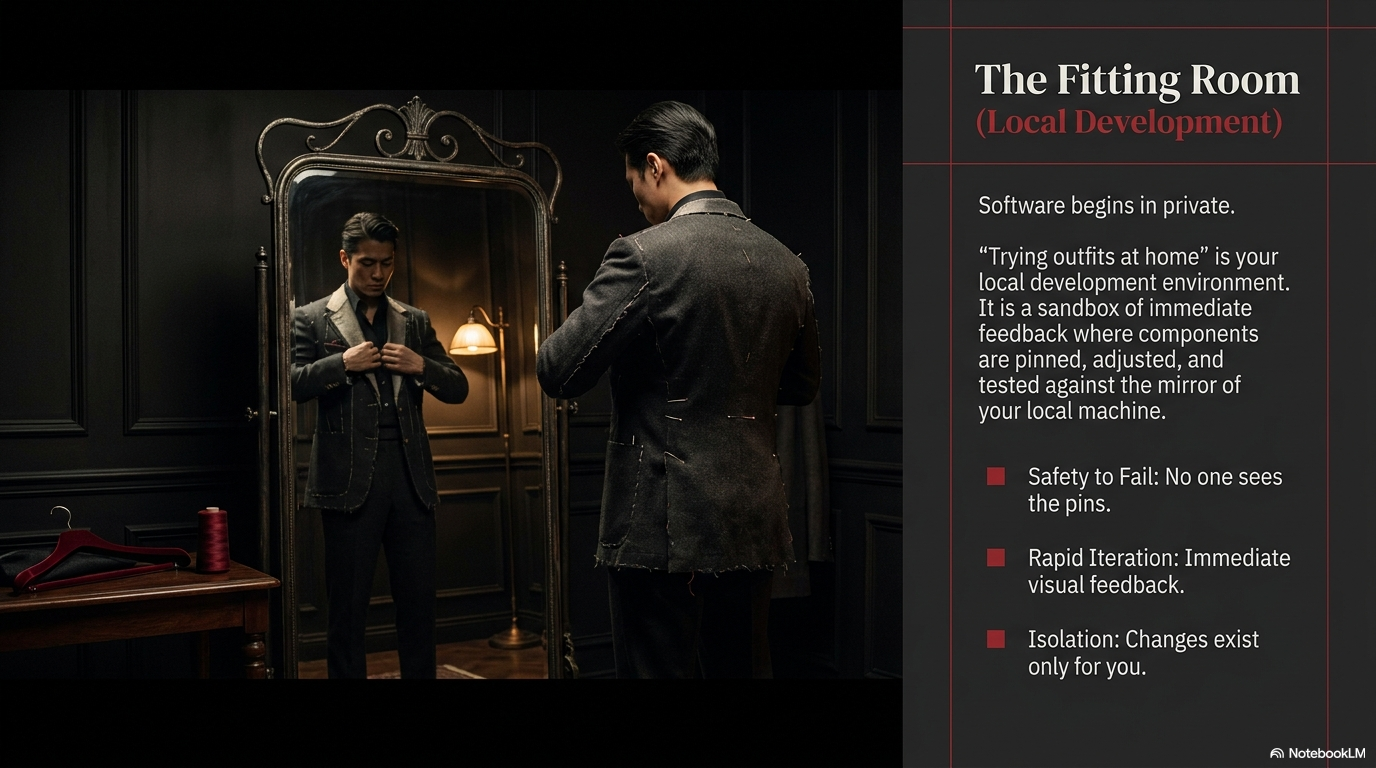
Tech tutorials assume a foundation you do not have yet. They drop terms without defining them. They link to documentation written for people who already know the answer. You end up with a dozen browser tabs open and no clearer sense of how anything connects.
This wiki works differently. Every concept is defined in plain English, in the order it builds on the last one. The goal is a mental model: a map of how computers, code, the internet, databases, and AI fit together as a system.
Once you have that map, every new concept has somewhere to land.
Why the sequence matters
A database is easier to understand once you know what a server is. An API is easier to understand once you know what a database is. AI is easier to understand once you know what an API is. The confusion most beginners feel comes from encountering these ideas out of order, without the connections.
The reading path below is sequenced deliberately. Each step adds one layer to the model. You do not need to master each topic before moving forward. You need enough to make the next step make sense.
Your reading path
What you will be able to do after this sequence
After reading through the path above, you will be able to:
- Read a job posting for a junior developer role and understand most of the technical requirements
- Follow a technical conversation in a team standup or product meeting
- Ask informed questions when a tutorial skips a step
- Evaluate whether a bootcamp or course curriculum covers the foundations you need
- Describe what you are learning to a hiring manager in accurate terms
That is not a small outcome. Most people in non-technical roles spend years in tech organisations without building this model. You can build it in a week of deliberate reading.
On career switching specifically
The biggest barrier to a career switch into tech is not aptitude. It is the assumption that everyone else already knows something you do not. They do not. Most working engineers have large gaps in adjacent areas. The difference is they know how to use the vocabulary to find what they need.
This wiki is structured so that you can use it as a reference while learning anywhere else. When a bootcamp introduces a term you do not recognise, search the glossary. When a tutorial assumes context you do not have, read the basics article for that concept.
Start here: What is a Computer?
Also useful
- What is a Database? : the storage layer that connects code to data, used in almost every application
- What is GitHub? : the platform where developers store code and collaborate on projects
- What is a Terminal? : the text interface that gives you direct access to your computer and your servers
- What is AI? : a plain-English explanation of machine learning, placed after the foundations that make it make sense