The Juggler
You already understand async systems, fault tolerance, and distributed patterns. You just know them by different names.
You know what it means to keep multiple things in motion at once. You know the difference between a controlled drop and a catastrophic failure. You know that recovery is a skill, not a fallback. Every production AI system you will ever build works on exactly these principles. The vocabulary is different. The physics is the same.
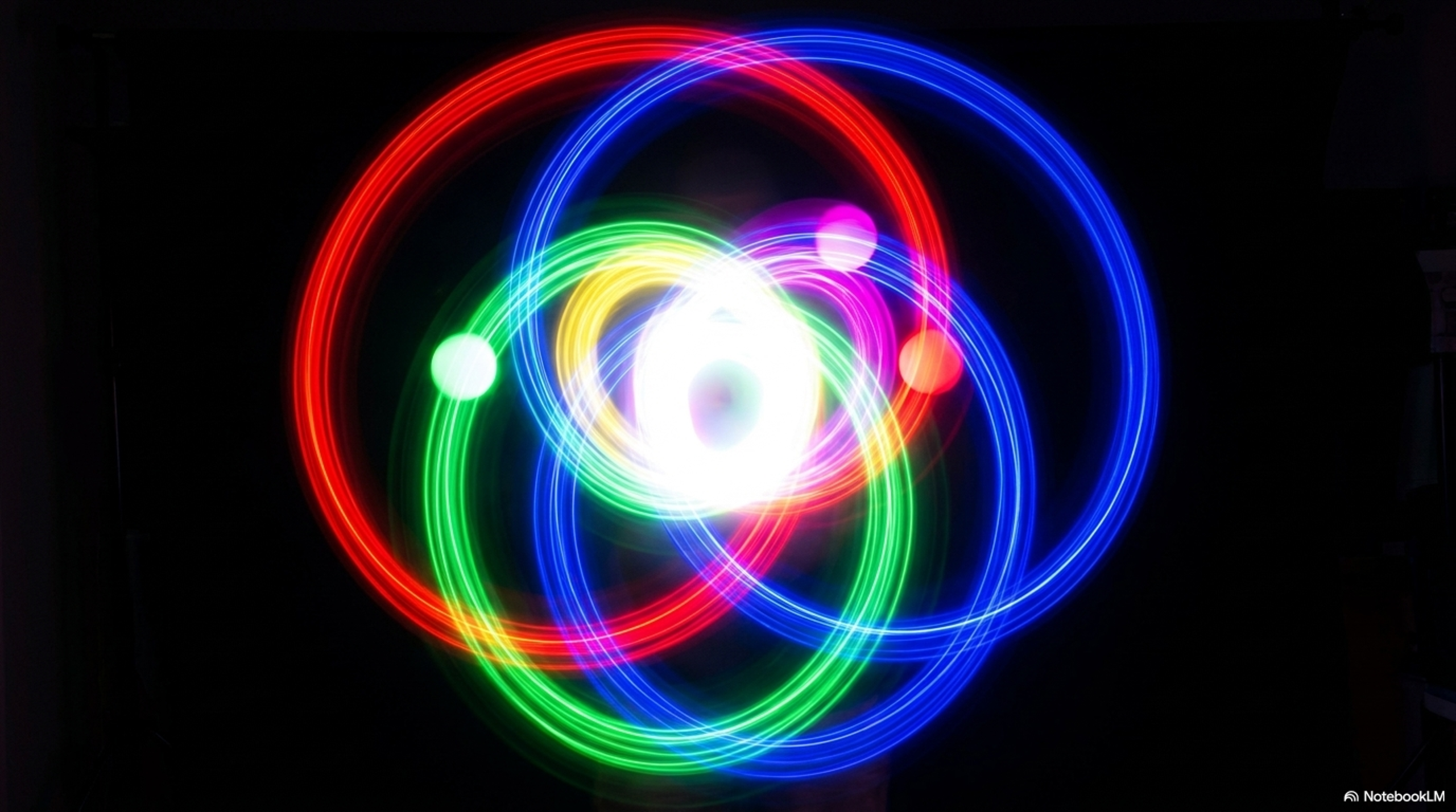
Every ball in flight is a task running
A juggler with seven balls doesn't touch most of them at any given moment. They are in flight: active, committed, but untouched. Async task queues work exactly this way. A job enters the system, gets queued, and executes independently while the application continues accepting new requests. The juggler keeps throwing. The system keeps responding. Neither waits.

Precision instructions control complex behaviour
Siteswap is a mathematical notation for juggling patterns. A single number encodes a throw height, timing, and which hand catches. One short sequence describes a full five-ball cascade. Prompt engineering works the same way: a carefully structured instruction encodes model behaviour, output format, and edge case handling. Both look deceptively simple. Both reward precision over length.

Recovery is the skill, not avoidance
Every juggler drops. The failure mode is not the drop: it is chasing it. The instant you break pattern to recover the fallen prop, you lose the rest. The professional move is to let it go, hold the remaining pattern, and restart cleanly. Incident response in production systems follows the same discipline. Stabilise the running services first. Investigate the failure second. Never sacrifice three things trying to save one.

Sequential flow vs parallel loops
The cascade passes every object through a single crossing arch. The fountain runs two independent loops that never intersect. Distributed systems make the same choice. A sequential pipeline processes each request through one chain of services. A parallel architecture runs independent branches simultaneously and merges results at the end. The pattern you choose determines your latency ceiling and your failure surface.

Sensing without staring
Advanced jugglers do not look at their hands. They fix their gaze at the apex and use peripheral vision to track everything else. The system runs without direct attention on any single component. Observability in software works the same way: instrumentation, metrics, and traces give you peripheral vision over the whole system. You see anomalies without watching every log line. The gaze stays fixed. The awareness is total.
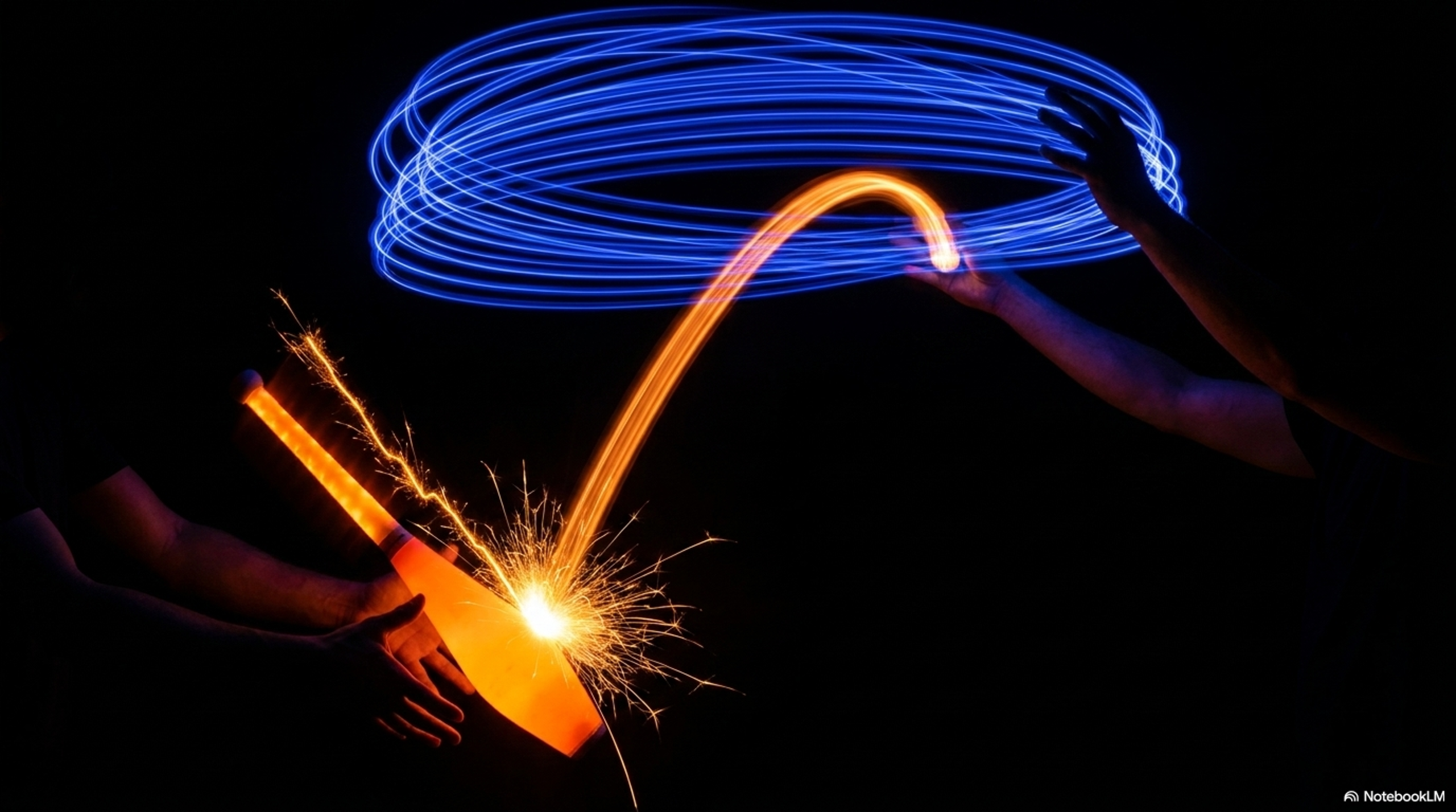
A pass only works when both sides agree in advance
A perfect behind-the-back pass requires two things: the thrower and catcher must agree on timing, trajectory, and spin before the throw happens. If either improvises, the prop hits the floor. APIs and data contracts are the same agreement between services. A contract defines exactly what format one system will produce and what the next system expects to receive. The agreement must exist before the data moves. Not after.
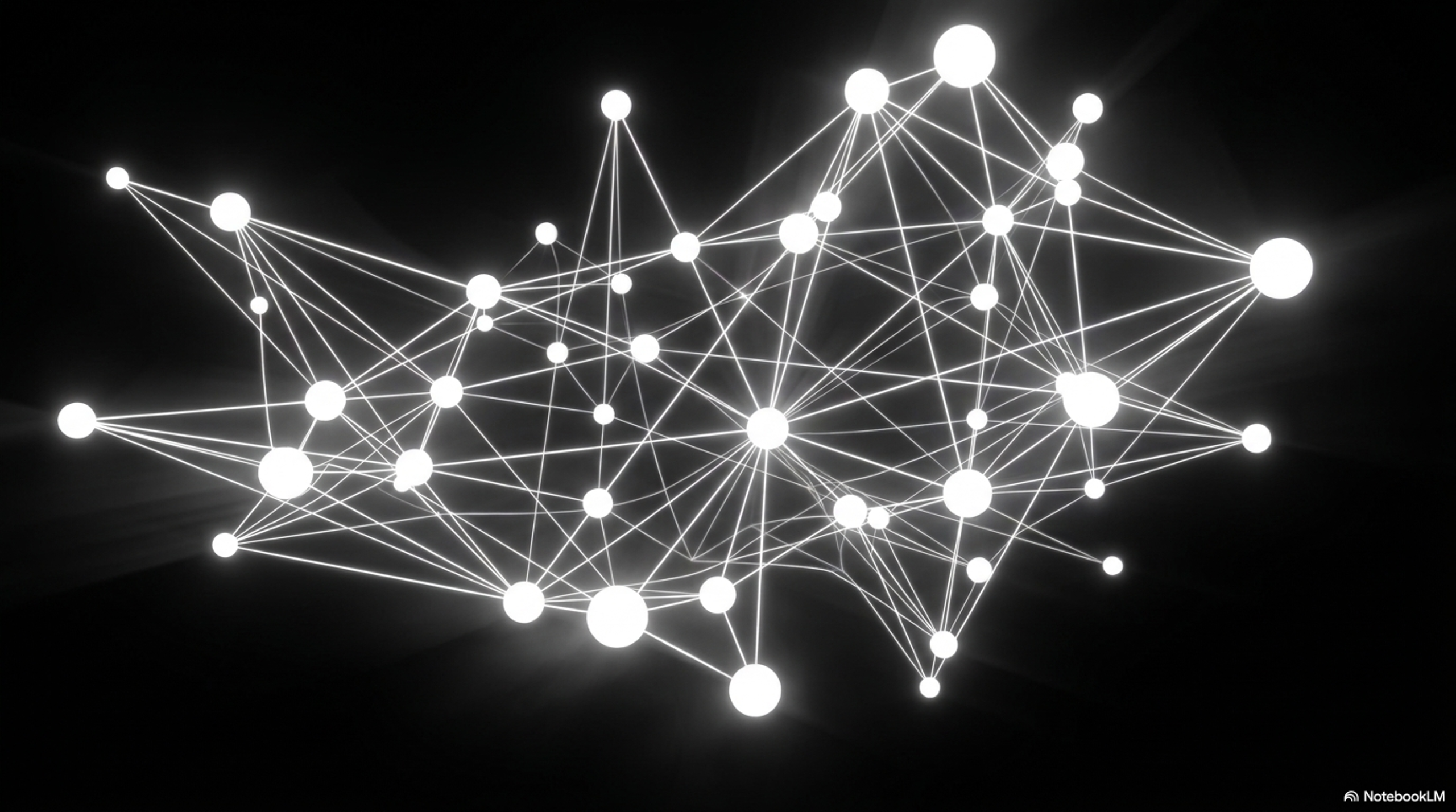
Multiple agents, one coherent output
A passing club act coordinates multiple jugglers. Each throws and catches independently. Together they produce a pattern none could make alone. Multi-agent AI systems work this way: a planner agent breaks a task into subtasks, specialist agents execute each one in parallel, and an aggregator synthesises the results. The individual arcs are simple. The emergent pattern is not.
Go deeper in this lens
Three research threads

Map to the wiki
Every metaphor has a technical name
Use these to cross from the juggling lens into the full wiki reference. Each page has diagrams, examples, and implementation patterns.