The Craftsperson
You already understand software architecture, databases, and production quality. You know them as blueprints, filing cabinets, pottery wheels, and the six marks of a master's work.
You know what it means to work with material that holds to standard. You know the difference between a joint that will fail under load and one that will not. You know that rushing the fitting step shows up in the final product. Every production software system you will ever build operates on exactly the same principles. The vocabulary is different. The discipline is the same.
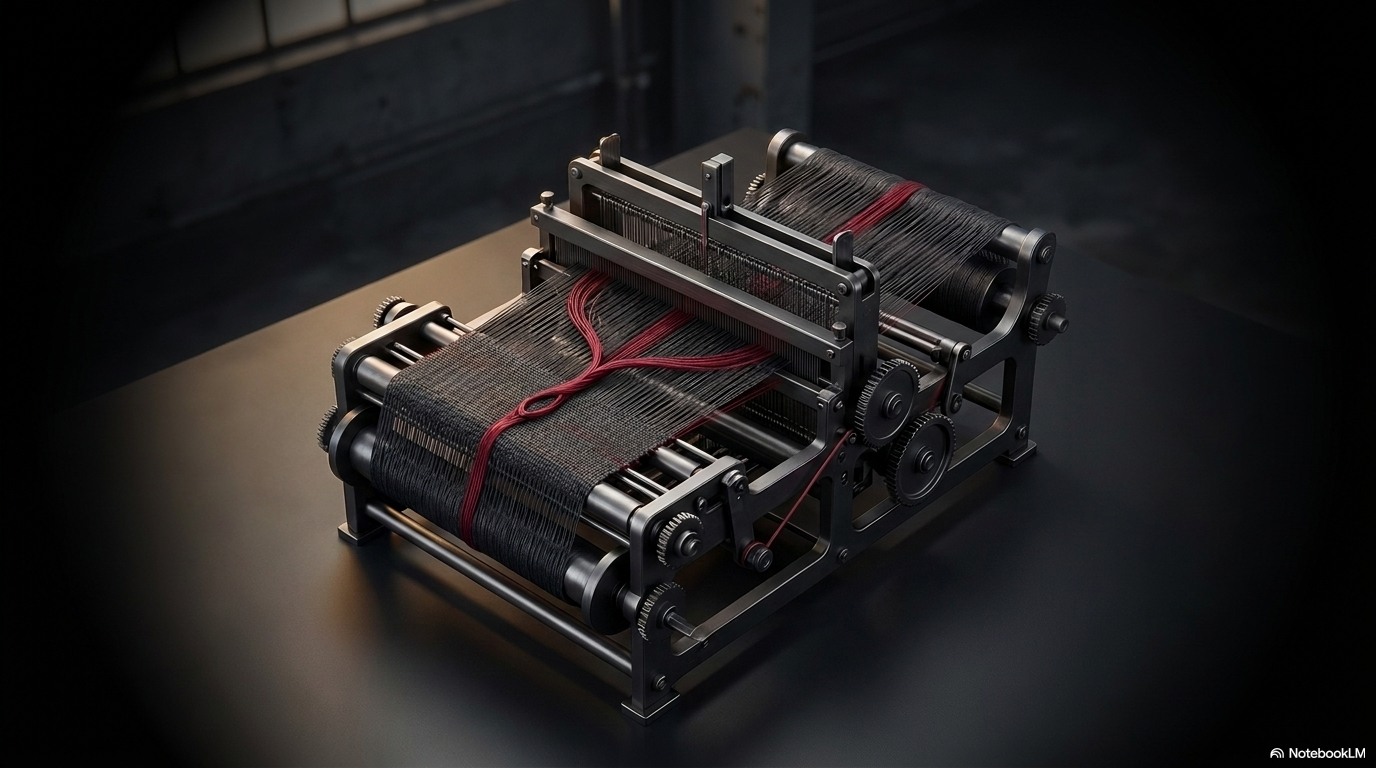
Software is a set of precise instructions for a machine to execute
A loom converts a woven pattern specification into fabric, thread by thread, according to strict rules. The specification is the software. The loom is the hardware. Change the specification and the output changes. The hardware does not improvise. Software works the same way: every decision is encoded as instructions the machine executes deterministically. The computer does exactly what you tell it. Not what you meant. The craft is in the precision of the specification.

Every piece of data needs a named container in the right drawer
A filing cabinet is organised by a schema: folders, tabs, sequences. Find anything instantly if the schema is right. Find nothing if it is not. Databases apply the same logic at machine speed. A well-designed schema means queries complete in milliseconds. A poorly designed one means every read is a full cabinet search. The database is the cabinet. The schema is how the folders are cut. Both require the same decision upfront: what are you likely to need to find, and how fast?
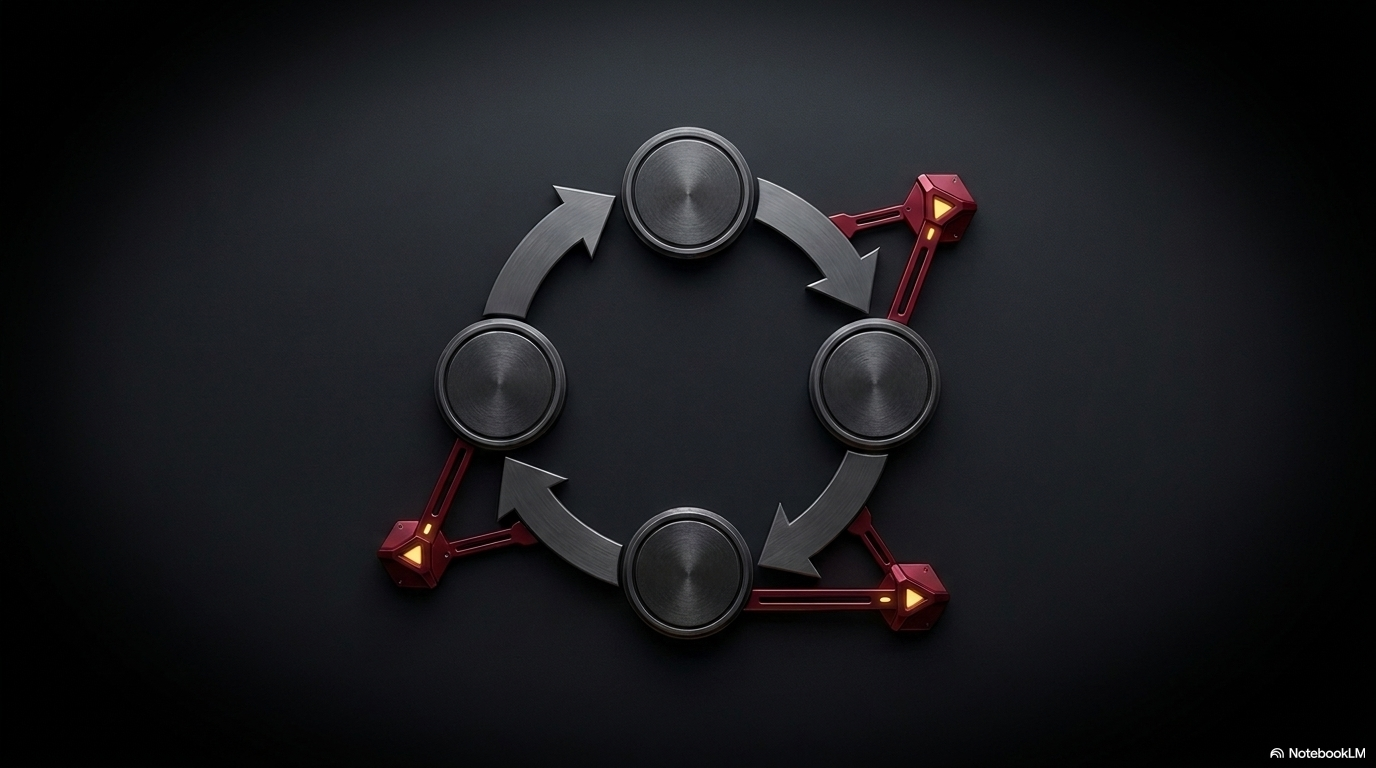
Software is shaped in cycles, not poured in stages
A potter does not build the final form in one pour. They throw, shape, assess, trim, fire, assess again. Each pass of the wheel is one iteration. The form gets closer to the intent with each cycle. Agile software development uses the same rhythm. A sprint is one turn of the wheel: two weeks of shaping, a review, an adjustment. The direction changes continuously based on what real users actually do, not what was predicted in a planning document written before anything existed.

Separate compartments so one failure does not spoil the meal
A bento box keeps rice, fish, and pickles in separate compartments. If the pickles spill, the rice is intact. Each section uses the right material for its purpose. Microservices architecture applies the same logic: each service handles one function, uses its own database optimised for that job, and deploys independently. If the cart service fails, the orders service keeps running. Systems start as one solid block. The question every craftsperson eventually faces is when to separate the compartments.

You cannot skip to construction without a plan for each joint
A master craftsperson draws the joinery before cutting wood. The sequence is planned: measure, mark, cut, fit, adjust, assemble. Skipping the fit step means discovering the error during assembly when nothing is reworkable without starting again. The software development lifecycle has the same logic: plan, design, build, test, deploy, maintain. Each stage exists because it catches a class of errors that would be expensive to fix in the following stage. The blueprint is not overhead. It is the shortcut.

The craftsperson now directs the machine rather than working it
A factory floor shift: the craftsperson steps away from the lathe and stands at the control panel. The machine does the cutting. The craft is now setting the program: material specification, tolerances, sequence. AI development made the same shift. You describe intent in natural language. The AI generates the implementation. The skill is no longer typing syntax: it is precision of direction, knowing what good output looks like, and knowing exactly when to override the machine and take back the lathe.

Security is not a final step. It is built into every joint
A master cabinetmaker does not add the lock at the end. The lock is designed into the structure from the first drawing. The hinges, the casing, the fit of the door are all specified with the locking mechanism in mind. Retrofitting security into a finished structure produces gaps. Software security follows the same principle: plan for it before the first line of code, protect components throughout development, build with the smallest possible attack surface, and respond to vulnerabilities discovered after release. A cracked cube glows red from the inside. The damage was always there.
Go deeper in this lens
Three research threads


Map to the wiki
Every metaphor has a technical name
Use these to cross from the craft lens into the full wiki reference. Each page has diagrams, examples, and implementation patterns.